How to Conduct a Nonprofit Church Board Meeting in Canada
Conducting a nonprofit church board meeting in Canada requires careful planning, adherence to legal requirements, and clear communication.
The key to a successful meeting is following your church’s bylaws and relevant laws while providing proper notice, preparing an agenda, and ensuring quorum.
This process helps the board make informed decisions that support the church’s mission and governance.
Board meetings are an opportunity for directors to discuss important matters and review reports.
Preparing materials like financial statements ahead of time allows members to stay informed and engage meaningfully during the meeting.
Confirming attendance and offering options like video calls can help maintain quorum and ensure smooth proceedings.
By focusing on legal compliance and efficient organisation, nonprofit church boards in Canada can hold meetings that are both productive and respectful of members’ time.
This approach strengthens the board’s ability to guide the church effectively and maintain transparency with its community.
Understanding Legal Requirements for Church Board Meetings

Church board meetings in Canada must follow specific rules to ensure legality and proper governance.
These rules cover documents that define the board’s structure, how board members are notified about meetings, and the minimum attendance needed to conduct business.
Bylaws and Articles of Incorporation
Bylaws and articles of incorporation are foundational legal documents for a nonprofit church.
They set out the rules for running board meetings and managing the church’s affairs.
The articles officially register the church as a nonprofit corporation in the province, while bylaws provide detailed governance procedures.
If the church incorporated before October 19, 2021, it must review and update these documents to comply with the Ontario Not-for-Profit Corporations Act (ONCA) by October 18, 2024.
These documents typically specify meeting types, board powers, voting rules, and officer roles.
Properly maintained bylaws help avoid legal issues and guide the board’s decisions.
Notice and Scheduling Rules
Board members must receive notice before meetings.
The ONCA requires directors to get notice, but it does not specify the exact timing.
The church’s bylaws or articles usually define how much notice is needed, such as 7 or 14 days before the meeting.
Directors can waive notice in writing, but all members must still be informed of the meeting time and receive materials early enough to prepare.
Meetings can be held in person, online, by phone, or in a hybrid format.
Flexibility in notice and format helps maintain legal compliance and ensures members’ participation.
Quorum and Attendance Confirmation
Quorum is the minimum number of board members needed to legally hold a meeting and make decisions.
Without quorum, no official business can happen except setting a new meeting date.
The exact quorum number is usually defined in the bylaws, commonly a majority of directors.
Confirming attendance before the meeting is vital to ensure quorum will be met.
Directors who attend without receiving prior notice are considered to have waived their right to it.
Proper quorum and attendance management protect the meeting’s legal validity and the church’s governance integrity.
Preparing for the Nonprofit Church Board Meeting
Careful planning is essential to keep the meeting focused and efficient.
Preparing involves clear steps, sharing the right documents ahead of time, and choosing the best platform for all participants to engage easily.
Board Meeting Preparation Steps
The board chair or secretary typically leads the preparation.
They start by setting a clear agenda based on ongoing church programmes, financial updates, and governance matters.
Checking quorum is important before the meeting.
The team confirms which members will attend, ensuring the meeting can proceed with voting.
Preparation also includes reviewing previous meeting minutes to note unfinished business.
Key topics must be organised in order, prioritising urgent or strategic matters.
Finally, roles are assigned.
For example, one person may lead the financial report, while another prepares the strategic planning discussion.
Distributing Supporting Materials
Supporting materials should be shared at least a week before the meeting.
This gives board members enough time to read and consider the information.
These materials often include previous meeting minutes, financial statements, budgets, and programme reports.
Executive summaries help make complex data easier to understand.
Using a board portal software can simplify distribution.
It allows members to access documents securely anytime and keeps everything in one place.
Clear labels and version control are important to avoid confusion.
Members should know which documents require their review and what items will be discussed.
Choosing Meeting Platforms
Choosing the right platform depends on the board’s preferences and technical comfort levels.
Many boards use video conferencing tools like Zoom or Microsoft Teams to include members who cannot attend in person.
If security or document sharing is a priority, boards may use dedicated board portals designed for nonprofit organisations.
These platforms offer features like private document access, voting, and note-taking.
It is essential to test the platform before the meeting.
This prepares members and prevents technical delays.
For in-person meetings, a hybrid option can be arranged.
This allows remote members to join through video while others meet onsite.
Creating and Sharing the Board Meeting Agenda
A clear and well-organized agenda is essential for running effective nonprofit church board meetings in Canada.
It sets priorities, allocates time wisely, and ensures that important topics are covered.
Sharing the agenda in advance gives board members time to prepare and contributes to more focused discussions.
Key Components of an Effective Agenda
An effective board meeting agenda includes key sections such as call to order, approval of previous minutes, financial reports, program updates, and new business.
It should start by confirming quorum to validate decision-making.
The agenda must balance old business with new items, allowing for follow-up on unfinished matters.
Time estimates should be assigned to each topic to keep the meeting on schedule.
Including action items with assigned responsibilities promotes accountability.
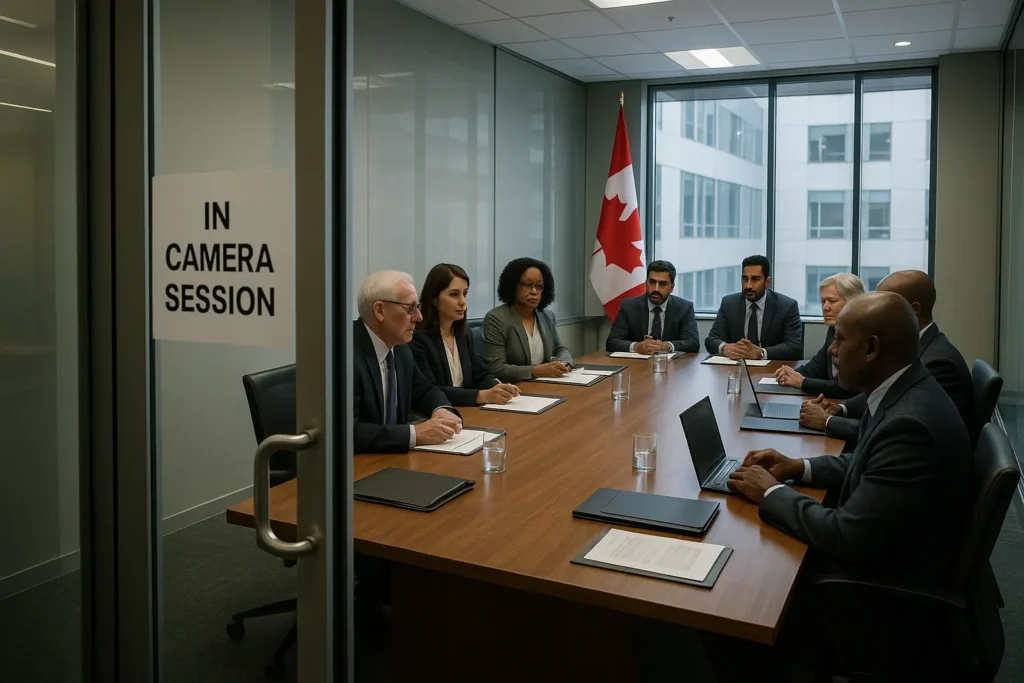
Sensitive matters may be handled in an in-camera session, noted clearly on the agenda.
Using Agenda Templates
A board meeting agenda template standardizes meeting structure and saves time.
Templates designed for Canadian nonprofits ensure legal and governance needs are met.
Board chairs or secretaries can customise templates by adding specific items or adjusting time slots.
Digital templates enable easy revisions and sharing with the board ahead of time.
Templates usually include sections for reports, strategic planning, and compliance topics.
Using a template helps maintain consistency across meetings, so members know what to expect.
Consent Agenda Utilization
A consent agenda groups routine items like approval of minutes, committee reports, and minor decisions.
This approach saves time by bundling non-controversial matters that do not need extensive discussion.
Board members receive these items before the meeting and can request removal for separate discussion.
Using a consent agenda frees up more time for strategic topics and important decisions.
Implementing a consent agenda requires clear guidelines and trust among board members.
When done properly, it streamlines meetings and respects volunteers’ time while maintaining transparency.
Conducting the Board Meeting: Essential Steps
A well-run board meeting follows a clear structure and addresses critical tasks with focus.
Key activities include officially starting the meeting, confirming past records, reviewing financial information, and making informed decisions aligned with the church’s goals.
Call to Order and Opening Formalities
The Chair begins by confirming that enough members, called a quorum, are present to make decisions legally binding.
They then formally call the meeting to order, stating the time and date.
Opening remarks often include welcoming members and outlining the meeting’s purpose.
This sets a professional tone and prepares everyone to focus on agenda items.
The Chair is responsible for managing the flow, ensuring rules are followed, and encouraging respectful participation.
Establishing clear ground rules at this point can help the meeting proceed smoothly.
Approval of Previous Meeting Minutes
The board reviews the minutes from the last meeting to ensure accuracy.
Members should have received these documents in advance for preparation.
The Chair asks for any corrections or additions.
If none are proposed, the minutes are approved by consensus or vote.
This confirms the records as the official account of past decisions and discussions.
Accurate meeting minutes are crucial for legal compliance and organizational transparency.
They track commitments made and help hold members accountable.
Reviewing Financial Statements and Reports
Financial reports, presented by the Treasurer or relevant officers, offer a clear view of the church’s fiscal health.
These include income statements, balance sheets, and budget updates.
The board examines key figures such as revenue, expenses, and cash flow.
Questions and clarifications are welcomed but should remain focused on core financial issues.
Understanding these reports supports responsible stewardship.
The board must approve significant financial actions and ensure funds align with the church’s mission and priorities.
Strategic Planning and Decision-Making
Discussion focuses on aligning actions with the church’s long-term goals.
The Chair guides debate on current challenges, opportunities, and initiatives.
Members propose motions, which must be seconded before discussion and voting.
Clear rules around motions help maintain order and fairness.
Decisions made should be supported with facts and relate directly to advancing the organization’s objectives.
Documenting outcomes and assigning follow-up tasks ensures accountability and progress.
Roles and Responsibilities During Board Meetings
Board meetings require clear roles and active participation to be effective.
Each person involved has specific responsibilities that help keep the meeting focused, productive, and aligned with the church’s mission.
Proper leadership and engagement ensure decisions are made thoughtfully and efficiently.
The Role of the Board Chair
The board chair leads the meeting and sets the tone for how discussions are managed.
They ensure the agenda is followed and that each topic receives proper attention.
The chair must keep meeting members focused and encourage respectful, balanced participation from all.
The chair calls the meeting to order, manages time, and facilitates debate.
They help resolve conflicts and guide the board toward clear decisions.
The chair also represents the board publicly and often acts as a liaison between the board and church leadership.
Strong leadership from the chair includes preparing meeting materials in advance and working with the executive director or pastor to align priorities.
They ensure meetings end with clear action items and follow-up plans.
Board Members’ Responsibilities
Board members must come prepared, having reviewed all materials before the meeting.
They actively participate by asking relevant questions, offering informed opinions, and voting on key issues.
During discussions, members represent the interests of the church and community.
They must balance support for the church’s goals with the need to provide oversight and accountability.
Board members also have a duty to respect confidentiality and avoid conflicts of interest.
They should contribute to strategic planning, fundraising, and monitoring financial reports.
Engagement during meetings builds trust and supports effective decision-making across the board.
Utilizing Non-Executive Directors
Non-executive directors do not have management roles but bring valuable expertise to the board.
Their role is to offer independent oversight and advice during meetings.
They help ensure decisions are objective and aligned with best practices.
These directors often sit on committees that focus on specific areas like finance, policy, or community outreach.
Their external perspective helps identify risks or opportunities the church leadership might miss.
By actively participating but not involved in daily operations, non-executive directors help maintain balance between governance and management.
Their informed input strengthens the board’s ability to guide the church strategically.
Best Practices for Meeting Management and Documentation
Effective nonprofit church board meetings depend on clear processes and accurate records.
Proper rules guide discussions, detailed minutes capture decisions, action items keep work on track, and planned confidential sessions protect sensitive matters.
Implementing Robert’s Rules of Order
Robert’s Rules of Order provide a clear structure for conducting meetings.
They help maintain order by establishing how motions are made, debated, and voted on.
Following these rules ensures everyone has a chance to speak and decisions are made fairly.
The chair calls the meeting to order and recognises members who wish to speak.
Motions must be seconded before discussion begins.
Voting is usually by majority, but some decisions may require a higher threshold.
Using this system reduces confusion and helps the board stay focused on agenda items.
It is especially useful when handling complex or contentious topics.
Recording Board Meeting Minutes
Board meeting minutes are the official record of everything that happens during the meeting.
They should include attendance, motions made, votes, key points of discussion, and assigned tasks.
Minutes must be clear, concise, and objective.
They do not record every word spoken but summarise what is important to the organisation’s governance.
Accurate minutes protect the board legally and maintain transparency.
Typically, the secretary or a designated recorder prepares the minutes.
The board reviews and approves them at the following meeting to confirm accuracy.
Tracking Action Items
Action items are the specific tasks that come out of board decisions. Tracking them ensures follow-through and accountability.
Each action item should list the task, responsible person, and a deadline. Boards often use a table or spreadsheet to monitor progress.
At subsequent meetings, the board reviews completed and outstanding action items. This process helps the organisation move forward and prevents issues from being missed.
Risk Management and In-Camera Sessions
Risk management means identifying and addressing legal, financial, or reputational risks during meetings. The board should regularly review compliance issues and potential risks.
In-camera sessions are private parts of meetings where only board members attend. Staff and the executive director are excluded so members can discuss sensitive topics like personnel matters or conflicts.
No minutes or recordings are made during in-camera sessions unless the board agrees otherwise. Afterward, decisions needing formal approval are discussed and voted on in the full board meeting.
Conclusion
For nonprofit church boards in Canada, following clear procedures and legal requirements helps meetings run smoothly. Accurate minutes and organized agendas support transparency and compliance under the Canada Not-for-Profit Corporations Act.
This protects the board and the organisation. Boards benefit from dedicated roles, such as a skilled minute taker, and using templates suited to their needs.
Clear communication and defined action items help keep tasks on track. Effective follow-up at future meetings is easier with these practices.
Organisations looking to improve board meetings can contact Orghub for guidance and resources. We offer free tools and support for nonprofit boards to manage meetings efficiently.
Visit Orghub to learn more and start improving your nonprofit today.
Frequently Asked Questions
A nonprofit church board meeting in Canada needs clear structure, legal compliance, and active participation. It is important to follow proper steps from starting the meeting to managing minutes and understanding member duties.
How to run a church board meeting?
The meeting should begin with a clear agenda that includes opening remarks, approval of minutes, reports, and key discussions. The chairperson leads the meeting, keeping it focused and on time.
Directors should have materials in advance to prepare. Decisions are made after discussion, and the meeting ends with a summary and next steps.
How to begin a church meeting?
Start by confirming a quorum, the minimum number of members needed to hold the meeting. The chairperson then calls the meeting to order and welcomes attendees.
The agenda is reviewed and approved early so everyone knows the plan. Opening remarks and conflict of interest declarations come next.
How frequently should a non-profit church board meet in Canada?
Most non-profit church boards meet at least quarterly. Frequency can vary based on the church’s size and activity level.
Some boards meet monthly during busy periods. By-laws usually specify the minimum number of meetings required.
What are the best practices for minute-taking during a non-profit church board meeting?
Minutes must record key decisions, motions, and votes clearly and accurately. They should include the date, time, attendees, and any absences.
A designated secretary or recorder should prepare minutes promptly and share them with members before the next meeting for review.
What not to do when chairing a meeting?
The chairperson should avoid dominating conversations or ignoring members’ input. They must not let side discussions distract from the agenda.
It is also important not to make decisions alone or skip legal requirements like proper notice or quorum.
What responsibilities do board members have during a church meeting under Canadian non-profit law?
Board members must attend meetings and review materials. They should participate in discussions.
They have a duty to act in the best interest of the church and its mission. Members should ensure decisions comply with the law and the church’s by-laws.
They must maintain confidentiality. Board members also need to disclose any conflicts of interest.