What Is a Call to Order in a Charity Board Meeting?
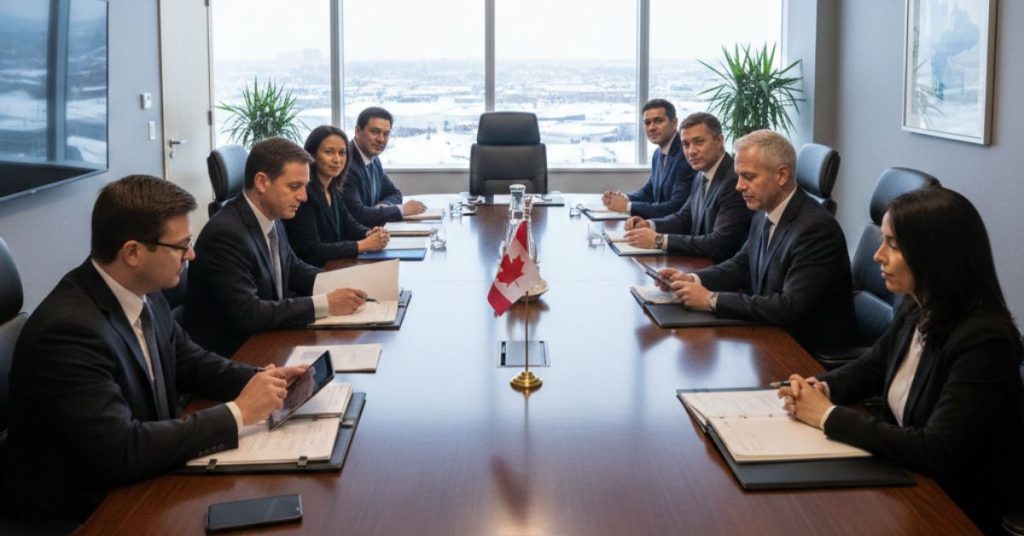
A call to order is a formal announcement made by the chairperson that officially starts a charity board meeting in Canada. This important step marks the transition from informal gathering to official business.
Without it, a meeting lacks the formal structure needed for valid decision-making. A call to order establishes the chairperson’s authority to guide the meeting and signals that formal business is beginning.
It typically leads to confirming that enough board members are present to make decisions. For Canadian charities, this step helps ensure meetings follow proper governance rules.
It creates a clear record of when the meeting started and who attended. Understanding how to properly call a meeting to order helps charity boards run smoother, more effective meetings.
This article explains the legal requirements, preparation steps, and best practices for calling charity board meetings to order in Canada. It covers what happens before and after the call to order, how to document it correctly, and common mistakes to avoid.
Defining a Call to Order in Canadian Charity Board Meetings

The call to order is the formal act that officially starts a charity board meeting. The chairperson calls members to order at the scheduled time, establishing whether enough members are present for valid decision-making.
Purpose and Importance
The call to order serves as the official starting point for all charity board meetings in Canada. Without this formal opening, any decisions made or votes taken have no legal standing.
This procedure ensures that board meetings begin properly and that all members know business has officially started. The chair must consider how many directors are present and whether there are valid reasons for delays.
Charity organizations rely on the call to order to create a clear record of when meetings begin. This is important for meeting minutes and legal documentation.
The call to order also allows the chair to confirm quorum. Quorum is the minimum number of board members who must attend for the meeting to conduct official business.
Most charity bylaws specify this number. Without proper quorum at the call to order, the board of directors cannot make binding decisions or approve motions.
Role of the Chairperson
The chairperson carries full responsibility for calling the board meeting to order. No other member can perform this function unless the bylaws specifically allow it.
The chair should attempt to start meetings at the scheduled time shown in the meeting notice. They must use good judgment if key members are delayed or quorum hasn’t arrived yet.
Key chairperson duties at call to order:
- Announce the meeting is officially beginning
- Confirm enough members are present for quorum
- Direct members to take their positions
- Set the tone for professional conduct
The chair maintains control of the meeting from the call to order through adjournment. They recognize speakers, manage discussions, and ensure all board members follow proper procedures.
In volunteer organizations, the chairperson helps keep meetings focused and efficient from the start.
Formal Statement and Procedure
The chair typically uses a simple statement to call the meeting to order. Common phrases include “This meeting will now come to order” or “The meeting is called to order.”
The chair should speak clearly and with enough volume for all members to hear. This formal statement marks the exact time the meeting begins.
Standard procedure at call to order:
- Chair calls the meeting to order at appointed time
- Secretary or designated member takes roll call
- Chair confirms quorum is present
- Meeting proceeds to first agenda item
If quorum is not present, the chair may wait a reasonable time for more directors to arrive. However, under the Canada Not-for-profit Corporations Act, if a quorum is not present, the gathering is not technically a “meeting of the board” at all. No official business can be conducted, and any discussions that take place cannot be recorded in the official minute book of the corporation as a meeting. Directors should also be cautious about discussing significant matters without the required quorum present, as this could risk breaching their duty of care.
Some charity boards in Canada record the exact time of the call to order in their minutes. This creates an official record and shows the meeting followed proper procedures.
Legal and Governance Requirements for Calling to Order
The legal framework governing charity board meetings in Canada sets specific requirements for the call to order process. These requirements come from federal or provincial legislation, the organization’s bylaws, and articles of incorporation.
Canadian Not-for-Profit Corporations Act
The Canada Not-for-Profit Corporations Act applies to charities incorporated at the federal level. This Act sets baseline requirements for how board meetings must be conducted, though it does not specify exact language for calling meetings to order.
The Act requires that directors receive proper notice before board meetings. The notice must include the date, time, and location of the meeting.
If the board plans to make decisions on specific topics during the meeting, those topics must appear in the notice. The Act also mandates that certain business items require special notification to directors.
These items include submitting questions to members for approval, filling director vacancies, issuing debt obligations, approving financial statements, and adopting or amending bylaws.
Role of Bylaws and Articles of Incorporation
Bylaws provide the most specific guidance for calling board meetings to order. Whether your organization is a registered charity or another type of non-profit corporation, the bylaws outline the exact procedures the chairperson must follow when starting a meeting.
Directors should review the bylaws first when determining proper procedures for calling meetings to order. If the bylaws lack guidance, the articles of incorporation serve as the next reference point.
Articles of incorporation may also be called letters patent, articles of association, or similar terms depending on when and where the organization was incorporated. When neither document provides clear direction, the legislation under which the organization was formed becomes the governing authority.
Organizations that cannot find reliable guidance should consult a legal advisor.
Quorum and Roll Call
A quorum represents the minimum number of directors required to conduct official business. The chairperson cannot validly call a meeting to order without confirming quorum is present.
Bylaws typically specify the exact number or percentage of directors needed for quorum. A roll call often follows immediately after the call to order to verify attendance and confirm quorum.
The chairperson or secretary records which directors are present, absent, or participating remotely. Without quorum, the board cannot pass resolutions or make binding decisions.
The meeting may proceed as an informal discussion, but no official votes can occur until quorum is established.
Setting the Stage: Agenda, Notice, and Preparations
Charity boards must follow specific procedures before calling a meeting to order. These include providing proper notice to directors, setting a record date for who can attend, preparing a clear agenda, and distributing supporting materials in advance.
Notice of Meetings
Canadian charity boards must provide notice of meetings according to their bylaws and applicable provincial or federal legislation. Most bylaws require written notice between 7 to 21 days before the meeting date.
The notice should state the date, time, location, and purpose of the meeting. All directors who hold office at the time of the meeting are entitled to receive notice and attend. Under Canadian corporate law, any person who is a director at the time of the meeting has a right to be there and participate, as directors have a fiduciary duty to manage the corporation.
Boards can deliver notice through email, mail, or other methods specified in their governing documents. The organization must keep records of when and how notice was sent to each director.
Note: Record dates are primarily used to determine which members (not directors) are entitled to vote at Annual General Meetings or special meetings of members, not for board meetings.
Preparing the Meeting Agenda
The meeting agenda outlines the topics and order of business for the board meeting. The board chair typically works with the executive director or secretary to create the agenda several days before the meeting.
A standard agenda includes the call to order, approval of previous meeting minutes, financial reports, committee updates, old business, new business, and adjournment. The agenda should list specific items under each section with estimated time allocations.
Board members may request items for the agenda in advance. The chair decides which items to include based on urgency and relevance to the charity’s governance responsibilities.
Advancing Supporting Materials
Directors need time to review documents before making informed decisions at the meeting. The board should distribute all supporting materials at least 3 to 7 days before the meeting date.
Supporting materials typically include financial statements, committee reports, policy drafts, and background information for major decisions. Each document should be clearly labelled and organized to match the agenda items.
Electronic distribution through secure board portals or email helps ensure directors receive materials promptly. The secretary or administrator should confirm that all directors have access to the materials before the meeting begins.
Order of Business After the Call to Order
Once the chair calls the meeting to order and confirms quorum, the board follows a standard sequence of agenda items. The first items typically include approval of the agenda and minutes, declarations of conflicts of interest, and reports from officers and committees.
Approval of Agenda and Minutes
The board must approve the meeting agenda before proceeding with business. A member moves to approve the agenda, another seconds the motion, and the board votes.
The chair can suggest changes if urgent items need addition or if timing requires adjustments. Meeting minutes from the previous session require approval next.
The secretary distributes these minutes before the meeting so members can review them. Members can request corrections to facts or clarifications before voting to approve.
The board should focus on accuracy rather than style when reviewing minutes. Common corrections include attendance records, motion wording, and vote counts.
Once approved, the minutes become the official record of board decisions.
Declarations of Conflicts of Interest
Board members must disclose any conflicts of interest related to agenda items. A conflict exists when a member has personal or financial interests that could influence their decision-making.
The member states the nature of the conflict when the relevant agenda item comes up. The chair records all declarations in the meeting minutes.
For charities incorporated under the Canada Not-for-profit Corporations Act, Section 141(5) explicitly requires that a director who has a material interest in a contract or transaction shall not vote on the matter and must leave the meeting while the matter is discussed, except in very specific circumstances (such as an arrangement for security for a debt). This is a mandatory requirement, not an optional procedure.
Provincial legislation may have similar or different requirements depending on the jurisdiction. Members should declare conflicts before discussion begins on the item. This transparency protects both the charity and the individual board member from legal challenges.
Some provinces also require charities to maintain a conflicts of interest register.
Reports and Committee Updates
Committee reports provide the board with updates on ongoing work and activities. Standing committees like finance, fundraising, or governance present their findings and recommendations.
The committee chair delivers each report, highlighting key information and any motions requiring board action. Financial reports typically come first among committee updates.
The treasurer presents the current financial position, budget status, and any concerns. Other committees follow in order of importance or as listed on the agenda.
Reports should be brief and focus on items needing board decisions. Detailed information can be provided in written reports distributed before the meeting.
The board discusses recommendations and votes on any motions arising from committee work.
Parliamentary Procedure and Meeting Management
Charity boards in Canada typically adopt structured parliamentary rules to maintain order and fairness during meetings. Robert’s Rules of Order is the most common framework for managing motions, debates, and voting processes.
Adoption of Robert’s Rules of Order
Robert’s Rules of Order provides a standardized system for conducting board meetings in an organized manner. Henry Martyn Robert created these rules to help groups make decisions efficiently while ensuring all voices receive fair consideration.
Most charity boards in Canada adopt this parliamentary procedure as their governing framework unless their bylaws specify different rules. The system establishes clear protocols for how members can introduce ideas, debate issues, and reach decisions.
Boards typically include a reference to Robert’s Rules in their governing documents to provide authority for meeting management. When disputes arise about procedure, the rules offer guidance on how to resolve questions properly.
Smaller charity boards may choose to operate with less formal procedures while still following the basic principles. The chairperson maintains responsibility for applying these rules consistently and fairly throughout each meeting.
Types and Order of Motions
Parliamentary procedure recognizes different motion types that serve specific purposes during meetings. A main motion introduces new business for the board to consider and requires a second before debate can begin.
These motions form the foundation of decision-making at charity board meetings. Incidental motions address procedural questions that arise during discussion of other business.
Common incidental motions include points of order, requests for information, and motions to suspend rules. These motions take precedence over main motions and must be resolved before returning to the original business.
The order of precedence determines which motions take priority when multiple items need attention. Higher-ranking motions interrupt lower-ranking ones and must be resolved first.
This hierarchy prevents confusion and keeps meetings moving forward in a logical sequence.
Voting and Majority Rule
Majority rule is the main principle for decision-making in charity board meetings. A majority vote means more than half of the members present must support a motion for it to pass.
This rule applies to most routine business unless the bylaws specify different voting thresholds for certain decisions.
Voting methods depend on the situation and board preferences. Voice votes are used for non-controversial items.
A show of hands provides a visual count. Ballot voting protects privacy for sensitive matters.
Roll call voting creates a public record of each member’s position. General consent offers a simple way to approve routine or non-controversial items.
The chairperson asks if anyone objects to a proposed action, and silence means agreement. Some decisions require higher voting thresholds, such as two-thirds majorities for bylaw amendments or special resolutions.
Boards must follow their governing documents for which voting procedures apply to each situation.
Documenting the Call to Order and Meeting Decisions
Proper documentation starts when the chairperson calls the meeting to order. The secretary records this formal opening and all actions to create an official record.
This record serves legal and organizational purposes.
Recording the Call to Order in Minutes
The secretary must document the exact time the chairperson calls the meeting to order in the minutes. This timestamp shows when the board officially began conducting business.
Minutes should include who called the meeting to order, usually the board chair or president. The record must also show which board members were present, absent, or arrived late.
Essential call to order documentation includes:
- Date and time of the call to order
- Name of the person presiding
- Confirmation that quorum was present
- Location of the meeting (physical or virtual)
Many Canadian charity boards now use a board portal to help with minute-taking. These digital tools help secretaries capture information accurately and store records securely.
The portal creates a permanent archive that board members can access when needed. The minutes should focus on actions taken, motions made, and votes recorded.
Ensuring Compliance and Transparency
Accurate minutes protect the charity by showing compliance with meeting procedures and legal requirements. Canadian charities must keep these records to meet regulations from the Canada Revenue Agency and provincial incorporation acts.
The secretary should send draft minutes to board members soon after each meeting. Members review the minutes at the next meeting and vote to approve them as written or with corrections.
Approved minutes become official records that the charity must retain.
For registered charities in Canada, the Income Tax Act requires that certain records, including minutes of meetings of the directors, must be kept permanently (or until two years after the charity’s registration is revoked). This is a requirement from the Canada Revenue Agency as outlined in guidance CG-002 – Canadian Registered Charities – Keeping Records. Keeping minutes for only seven years would be a breach of CRA requirements for registered charities.
Provincial laws may also set retention requirements for non-profit corporations that should be reviewed and followed.
Transparency requirements for charity boards:
- Minutes must be available to board members
- Some information may need disclosure to members
- Records demonstrate accountability to donors and stakeholders
Board portals make compliance easier by tracking document versions and keeping secure access logs. These systems show who viewed minutes and when, creating an audit trail for transparency.
Practical Tips for Effective Charity Board Meetings in Canada
Board meetings run more smoothly when organizations address common obstacles and use the right tools. Modern board portals can solve many meeting challenges and help charities meet governance requirements.
Common Challenges and Solutions
Many charity boards struggle with poor attendance and lack of preparation. Organizations can help by setting meeting dates a year in advance and sending agenda materials at least one week early.
Board members need time to review documents and come prepared to discuss key items. Meetings often run too long or drift off topic.
The chair should enforce rules that limit discussion time for each agenda item. A consent agenda can group routine approvals together, saving time for strategic conversations.
Some boards find it hard to get all members to participate equally. The chair can invite quieter members to share their views on specific topics.
Setting ground rules that discourage interruptions also helps create space for all voices. Document management can be a problem when materials arrive late or get lost.
Establishing a standard timeline for distributing meeting packages ensures everyone receives information on time. The secretary should keep organized records of all meeting decisions and action items.
Leveraging Technology and Board Portals
A board portal provides a secure digital platform where directors access meeting materials, vote on resolutions, and review past minutes. These systems eliminate the need for printing and mailing thick packages of documents.
Directors can annotate files and prepare notes directly within the portal before meetings. Board portals strengthen security by controlling who can view sensitive financial information or confidential discussions.
Administrators can set permissions for different user levels and track when members download or read materials. This creates an audit trail that proves due diligence.
Many portals include voting features that allow boards to pass resolutions electronically between meetings when urgent decisions come up. The system automatically records votes and timestamps decisions.
This helps charities respond quickly while keeping proper governance documentation. Cost-effective options exist for smaller charities with limited budgets.
Some providers offer pricing based on the number of users or meetings per year.
Conclusion
A call to order is the formal start of a charity board meeting in Canada. The chairperson announces “I now call this meeting to order” to begin official business.
This step confirms that a quorum is present and sets a professional tone for the meeting. Understanding how to properly call a meeting to order helps board members run organized and effective meetings.
It creates structure and ensures that all decisions follow proper procedures. Charities that use this formal approach can better document their meetings and stay compliant with governance requirements.
Orghub makes it easy to manage board meetings for Canadian charities and nonprofits. The platform helps organizations track attendance, document decisions, and maintain proper meeting records.
Get started for free to streamline your board meeting processes or contact us to learn more.
Organizations can also start their nonprofit journey through the platform or visit Orghub to explore all available features.
Frequently Asked Questions
These questions address common concerns about the call to order process in Canadian charity board meetings. The answers clarify both the practical steps and the broader governance implications of this important procedural element.
What does call to order mean in a board meeting?
A call to order marks the official start of a board meeting. The board chair announces that the meeting has begun and that business can now proceed.
This announcement signals to all attendees that informal conversation should end. The meeting has moved into its formal phase where decisions can be made and recorded.
How do I call to order a board meeting?
The board chair begins by confirming that a quorum is present. A quorum is the minimum number of directors required to conduct official business.
Once the quorum is confirmed, the chair makes a clear statement that the meeting is now in session. The chair then notes the date and time for the record.
The chair may use a simple phrase or a more formal statement depending on the organization’s culture. What matters most is that everyone understands the meeting has officially begun.
What to say during a call to order?
A basic call to order can be as simple as “I call this meeting to order” followed by the date and time. The chair might say “This meeting of the board of directors is now called to order at 7:00 p.m. on January 18, 2026.”
Some chairs add a welcome and thank attendees for coming. Others keep it brief and move directly to the agenda.
The chair should state that a quorum is present. This confirms that the board can make legally binding decisions during the meeting.
How does a call to order contribute to the effective governance of a Canadian charity’s board meeting?
The call to order establishes when the board’s legal authority begins. Actions taken before the call to order are not official board business.
This procedure creates a clear record of when the board met and conducted its affairs. Canadian charities must keep accurate records of board meetings, and the call to order marks the starting point.
The call to order also sets expectations for professional conduct. It reminds directors that they are now acting in their official capacity and must follow proper procedures.
Can you describe the agenda-setting process following a call to order in a charity board meeting?
After the call to order, the chair typically asks for approval of the agenda. Directors receive the agenda before the meeting, often with the meeting notice.
The chair presents the agenda and asks if anyone wants to propose changes. Directors might suggest adding items, removing items, or changing the order of business.
Once any changes are discussed, the chair calls for a motion to approve the agenda. A director makes the motion, another director seconds it, and the board votes.
The approved agenda guides the rest of the meeting. Common items include approval of previous minutes, reports from management, committee reports, old business, and new business.
What differences might there be in the call to order procedure for a Canadian charity board meeting versus other types of organizations?
Registered charities and other non-profit organizations in Canada generally use the same basic call to order process. However, it’s important to note that in Canada, registered charities (regulated under section 149.1 of the Income Tax Act) and non-profit organizations (NPOs under section 149(1)(l) of the Income Tax Act) are legally distinct entities. Registered charities must meet the public benefit test and are subject to stricter Canada Revenue Agency regulation than general NPOs.
Differences in call to order procedures arise from specific requirements in the organization’s bylaws or governing legislation. Some charities incorporated under federal law must follow the Canada Not-for-profit Corporations Act. Others are governed by provincial or territorial laws.
These laws may set different requirements for notice periods and quorum.
Organizations that use Robert’s Rules of Order may have more formal procedures. The level of formality often depends on the organization’s size and culture.
Legal Sources & References