
How to Document Board Meeting Minutes for Canadian Nonprofits
Documenting board meeting minutes for Canadian nonprofits is necessary to meet legal requirements and maintain clear records of decisions. Your minutes must include key details like attendance, motions with voting results, decisions made, and assigned action items to satisfy the Canada Not-for-Profit Corporations Act.
These records protect your organisation and show transparency to members and regulators. Focus on capturing accurate, neutral information without personal opinions or lengthy debates.
Clear minutes support good governance by proving your board followed proper procedures. Using a consistent format and simple language will make your records easier to review and approve.
Meeting minutes serve as official evidence that your board acted responsibly and complied with all rules. Keeping well-organized records protects individual board members and helps future boards understand past choices.
Knowing what to include helps you create minutes that are both practical and legally compliant.
Understanding Board Meeting Minutes
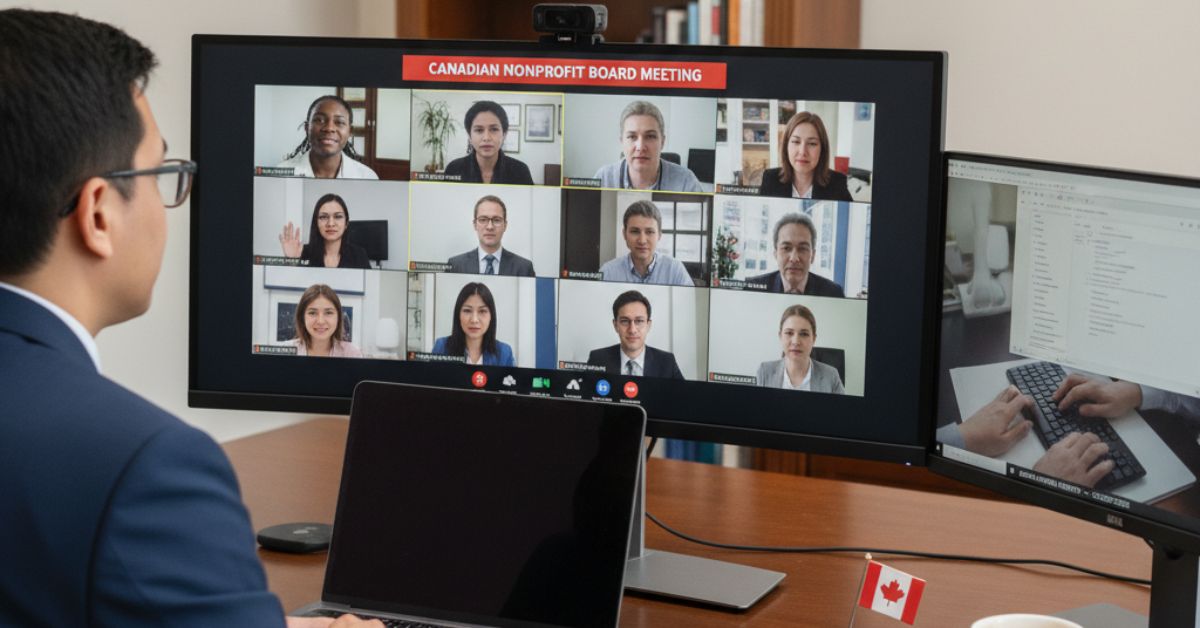
Board meeting minutes are official written records that capture important details about your nonprofit’s meetings. They document key decisions, attendance, and actions clearly and formally.
These records help your organisation maintain proper governance and legal compliance. They also play a vital role in transparency and accountability for members and regulators.
Purpose and Importance in Canadian Nonprofits
Your nonprofit’s board meeting minutes create a permanent legal record of what happens during each meeting. They must include meeting date, attendees, motions made, voting results, and assigned tasks.
This documentation protects your organisation by proving that decisions were made properly and in line with regulations. Minutes also serve as a historical reference.
Future boards can review previous decisions and understand the reasons behind them. This helps with continuity and better decision-making over time.
The Canada Not-for-Profit Corporations Act requires nonprofits to keep reliable minutes to maintain charitable status and meet legal obligations. Without proper records, your nonprofit risks compliance issues and loss of trust.
Legal Standing Versus Informal Notes
Board meeting minutes are formal documents with legal significance. They differ from informal meeting notes, which may just capture ideas or discussions without strict structure or accuracy requirements.
Minutes focus on official decisions, motions, and outcomes using neutral language. You should avoid personal opinions or detailed conversations.
The board must approve these records at the next meeting to make them official. Only properly kept minutes can be used as evidence in legal disputes or regulatory reviews.
Your minutes confirm that your board fulfilled its duties correctly, supporting good governance and legal protection.
Role in Accountability and Transparency
Clear, detailed meeting minutes support accountability. They show members, donors, and regulators how decisions are made and who is responsible for tasks.
This promotes trust in your nonprofit’s leadership. Minutes also document attendance and quorum, proving that enough members participated for decisions to be valid.
Transparency improves when board members and authorised stakeholders can review minutes. You may restrict access to sensitive information but still provide enough detail to demonstrate responsible management.
Good meeting minutes protect individual directors by showing they acted with care and followed policies. This reduces personal liability and helps your organisation maintain high standards of governance.
Legal and Regulatory Requirements in Canada
Your nonprofit must meet specific legal standards when documenting board meeting minutes. These rules protect the organisation, ensure transparency, and support accountability.
You need to know what laws apply, what details to include, and how long to keep records.
Canada Not-for-Profit Corporations Act Overview
The Canada Not-for-Profit Corporations Act (CNCA) governs federally incorporated nonprofits. It requires you to keep accurate and complete minutes of all board meetings.
These minutes are legal documents that verify decisions and discussions. Under the CNCA, your board must keep minutes showing attendance, decisions made, and actions assigned.
This is essential for meeting your fiduciary duties and avoiding legal issues. Failure to maintain proper minutes can put your nonprofit’s status at risk.
You should ensure your minutes reflect compliance with the Act’s rules on governance. This includes documenting votes, motions, and approvals clearly and precisely.
Mandatory Elements for Compliance
Your meeting minutes must include specific elements to meet legal compliance:
- Date, time, and location of the meeting
- Names of attendees and any absentees
- Approval of previous minutes with noted changes
- Summary of discussions on each agenda item
- Decisions made and any motions passed
- Assigned actions with responsible parties and deadlines
- Signatures of the chairperson or secretary confirming accuracy
These details create clear records you and others can rely on. Your nonprofit ensures transparency by including decisions and actions without personal opinions or unnecessary detail.
Maintaining Records and Retention Periods
You must keep your minutes as part of permanent records. The CNCA and the Income Tax Act require that these documents be stored safely and accessible.
Minutes should be preserved indefinitely or according to your provincial rules if applicable. This protects you if legal questions arise or for future board reference.
Store records securely, either physically or digitally, with restricted access to maintain privacy and confidentiality. Have a clear system to retrieve minutes quickly when needed by board members or regulatory bodies.
Essential Components of Effective Board Meeting Minutes
Your board meeting minutes should clearly show who was present, what was discussed, the decisions made, and the tasks assigned. These details keep your nonprofit accountable and meet legal requirements under Canadian law.
Each part of the minutes has a specific role in making your records complete and useful.
Attendance and Quorum Documentation
Start by listing everyone who attended the meeting, including their titles. Note any absentees.
This helps prove your meeting was valid and that a quorum was met. A quorum is the minimum number of board members needed for decisions to be official.
You must record whether this quorum was present at the start of the meeting. Note the time the meeting was called to order.
This ensures your records match the scheduled agenda and show that the meeting began on time.
Capturing Agenda Items and Discussions
Organize your minutes around the meeting agenda to keep the flow clear. For each agenda item, briefly summarize the main points discussed.
Avoid writing down everything said. Focus on the key facts and reasons behind decisions.
This way, anyone reading the minutes can quickly understand what was considered. Use simple language and a neutral tone.
If there were any important questions or concerns, note them but keep details concise.
Recording Motions, Votes, and Decisions
When formal motions are made, write down the exact motion wording. Include who proposed and seconded it.
Record the vote results clearly — whether the motion passed, failed, or was postponed. This is a legal record of your board’s decisions and must be precise.
If a policy decision or major action was agreed upon, state it explicitly. Avoid vague terms.
This enables you to track commitments and follow through properly.
Assigning and Noting Action Items
List specific tasks assigned during the meeting, who is responsible, and any deadlines. This section turns your minutes into a working document.
Be clear with assignments such as “John will prepare the financial report by November 15.” This accountability helps ensure progress.
Include next steps even if no firm deadline is set, especially for ongoing projects. Well-documented action items support transparency and keep the board focused on goals.
Roles and Responsibilities in Minute-Taking
You need to ensure that meeting minutes are clear, accurate, and follow legal standards. Each person involved in the process has specific duties to make sure the minutes reflect the board’s discussions and decisions properly.
Duties of the Board Secretary
As the board secretary, you are responsible for recording the minutes during meetings. Prepare ahead by reviewing the agenda and previous minutes to ensure continuity.
During the meeting, record key details like the date, time, attendees, agenda items, decisions, motions, and actions assigned. Your notes must be concise but complete enough to provide a clear record.
After the meeting, draft the minutes promptly while the information is fresh. Distribute the draft to board members for review and make any necessary corrections.
Keep the official, signed copies safe for future reference and legal compliance.
Ensuring Neutral and Accurate Documentation
Write the minutes in a neutral tone, focusing only on facts without personal opinions or interpretations. Capture what was said and decided, not why or how people felt about it.
Accuracy is key. Verify names, roles, motions, and deadlines before finalizing the document.
Use simple, clear language to prevent misunderstandings. Avoid including unnecessary details or side discussions.
The minutes should reflect actions and decisions clearly, providing a straightforward record that anyone can follow.
Delegation and Oversight Procedures
While the board secretary typically takes the minutes, you may delegate this task due to absence or workload. Choose someone familiar with the process and the organisation.
Review and approve the minutes to ensure they meet the required standards. Oversight guarantees that delegated minutes remain consistent in quality and completeness.
Set clear expectations and provide the appropriate templates or guidelines to help whoever takes the minutes maintain accuracy. This system protects the organisation’s accountability and legal standing.
Practical Steps for Writing and Formatting Minutes
To write clear and useful board meeting minutes, plan ahead, use a reliable template, and organise the information in a way that is easy to follow. This approach helps capture essential details, decisions, and action items without confusion or errors.
Preparing Before the Meeting
Before the meeting, review the agenda and the previous meeting’s minutes. This helps you understand ongoing topics and expected discussions.
Prepare a list of attendees and confirm the spelling of names and titles. Gather all necessary materials, such as a laptop or notebooks, pens, and any reports or documents to be discussed.
Test your equipment, including recording devices if used. Plan to arrive early to set up your workspace and clarify any unclear points with the chair in advance.
This preparation ensures you capture accurate and complete information during the meeting.
Using a Board Meeting Minutes Template
Use a minutes template designed for Canadian nonprofits to maintain legal compliance and consistency. A good template should include these sections:
- Date, time, and location
- Attendance (present and absent)
- Approval of previous minutes
- Agenda items and summaries
- Motions, votes, and results
- Action items with assigned responsibilities and deadlines
- Next meeting date
Using a template ensures you don’t miss important details. Adapt it as needed to fit your organisation’s specific requirements.
A sample board meeting minutes document can guide you on the appropriate level of detail and language. Complete your draft quickly after the meeting to ensure accuracy.
A well-structured template helps you work efficiently and produce effective meeting minutes.
Organizing Minutes for Clarity
Organise your minutes by following the order of the meeting agenda. Begin with the meeting start time and attendance.
Note the approval of previous minutes before moving to discussion points. Summarise discussions briefly, focusing on key decisions and motions.
Record motions exactly as stated, including who moved and seconded them, along with vote results when applicable. Highlight action items clearly, specifying the task, responsible person, deadline, and any follow-up dates.
Use bullet points or numbered lists to make these easy to find. Use clear headings and consistent formatting to help readers find information quickly.
This structure keeps your minutes professional, compliant, and easy to use as an official record.
Best Practices for Storing, Approving, and Sharing Minutes
Handle your board meeting minutes properly to protect your organization and keep clear records for future reference. Confirm the accuracy of minutes before approval, secure sensitive information, and share the minutes efficiently with the right people.
Approval and Correction Process
Before minutes become official, the board must approve them, usually at the next meeting. Circulate a draft to members soon after the meeting so they can review details while they are still fresh.
Ask board members to suggest corrections only for errors of fact or clarity, not personal opinions. Once approved, record the approval in the new minutes to confirm the document’s accuracy.
If changes are needed, update the minutes clearly and note what was amended. This process helps the minutes serve as a reliable legal record and prevents misunderstandings.
Securing Confidential and Sensitive Information
Protecting confidential details in minutes is essential to maintain trust and meet legal duties. Store minutes securely in password-protected digital files or locked physical cabinets.
Share sensitive parts only with authorized board members or designated officers. Avoid including private information such as personal data or legal matters unless necessary.
Clearly label confidential sections in the document. This alerts your team to handle those parts with extra care and helps prevent accidental disclosure.
Sharing Minutes and Accessibility
Distribute approved minutes promptly to all board members to keep everyone informed. Use email or secure online platforms to make access easy while protecting the document.
Format minutes with bullet points and clear headings to improve readability. Consistent formatting helps members find important information quickly.
Keep a historical archive of all past minutes in an organized system. This archive gives future boards a clear record of decisions and supports legal compliance and transparency.
Governance Standards and Meeting Procedures
Your board minutes must follow clear procedures and governance standards. Accurate records ensure legal compliance and document important decisions.
Be precise when documenting motions and decisions that shape your organisation’s policies and strategies.
Using Robert’s Rules of Order
Robert’s Rules of Order provide a standard way to run meetings and handle motions. When your board uses these rules, record motions exactly as stated, who moved and seconded them, and the outcome of the vote.
Make sure to note:
- The exact wording of each motion
- The names and roles of the mover and seconder
- The result (carried or defeated)
- Vote counts if requested or close
This system keeps your minutes clear and formal. Do not include personal opinions or extended debate summaries. Stick to the facts and decisions.
Documenting Policy and Strategic Decisions
When your board makes policy or strategic choices, record the decision clearly. Include what was decided, any conditions, and the timeline for implementation.
Use simple, direct language, for example:
- Decision: Approve new fundraising policy
- Conditions: Review in 12 months
- Implementation: Start January 2026
Avoid vague phrases that could cause confusion later. Transparent documentation ensures accountability and gives future boards a clear reference.
Conclusion
Keep your nonprofit’s board meeting minutes clear, accurate, and complete to meet legal requirements. Recording attendance, motions, decisions, and action items properly protects your organisation and supports good governance.
Use simple and consistent formats to make minutes easy to read and approve. Secure and accessible records ensure transparency with members, regulators, and donors while maintaining confidentiality where needed.
Contact Orghub to get support with documenting your board meetings. Get started for free or reach out anytime. We can help you manage your nonprofit’s governance with confidence.
Frequently Asked Questions
Create clear and accurate records that follow legal rules. Your minutes should include who attended, what decisions were made, and assigned tasks.
Proper format and language make the document official and easy to understand.
How do you write meeting minutes for a nonprofit?
Write the minutes in simple, neutral language. Include the meeting date, time, and location.
List attendees, note if quorum was met, and record all motions with voting results. Summarize decisions and action items with assigned people and deadlines.
How many board members does a nonprofit need in Canada?
In Canada, most nonprofits must have at least three board members. This number ensures legal compliance under the Canada Not-for-Profit Corporations Act.
Check your organization’s bylaws for any specific requirements.
How do I write the minutes of a board meeting?
Start with basic meeting details. Record attendance and whether quorum was present.
Capture each agenda item, noting motions, approvals, and important discussions briefly. Assign action items with names and deadlines. Avoid personal opinions or detailed conversations.
How to write NPO minutes?
Focus on accuracy and clarity. Use a consistent format every time.
Include the organisation’s name and meeting details upfront. Document motions and results without extra commentary.
List tasks assigned and deadlines. Ensure minutes are reviewed and approved at the next meeting.
What is the proper format for meeting minutes?
Use a standard template with sections for:
- Meeting date, time, and place
- Attendance and quorum status
- Approval of previous minutes
- Agenda discussion points with decisions
- Action items with responsible persons and deadlines
- Signature of the chairperson or secretary
What not to include in board meeting minutes?
Do not include personal opinions or detailed debates. Leave out confidential details unless you record them in separate in-camera minutes.
Skip irrelevant comments or side conversations. Use neutral and formal language.
Do not record personal conflicts or unverified information in official minutes.